

Introduction
Creating a Limited Liability Company (LLC) in the U.S. can be an attractive option for non-resident U.S. citizens, especially for those living in Germany. This article will guide you through the steps required to establish your foreign-owned LLC, including compliance obligations and tax filings.
Steps to Create a Foreign-Owned LLC
Creating an LLC as a non-resident is straightforward but involves several important steps:
1. Choose Your State
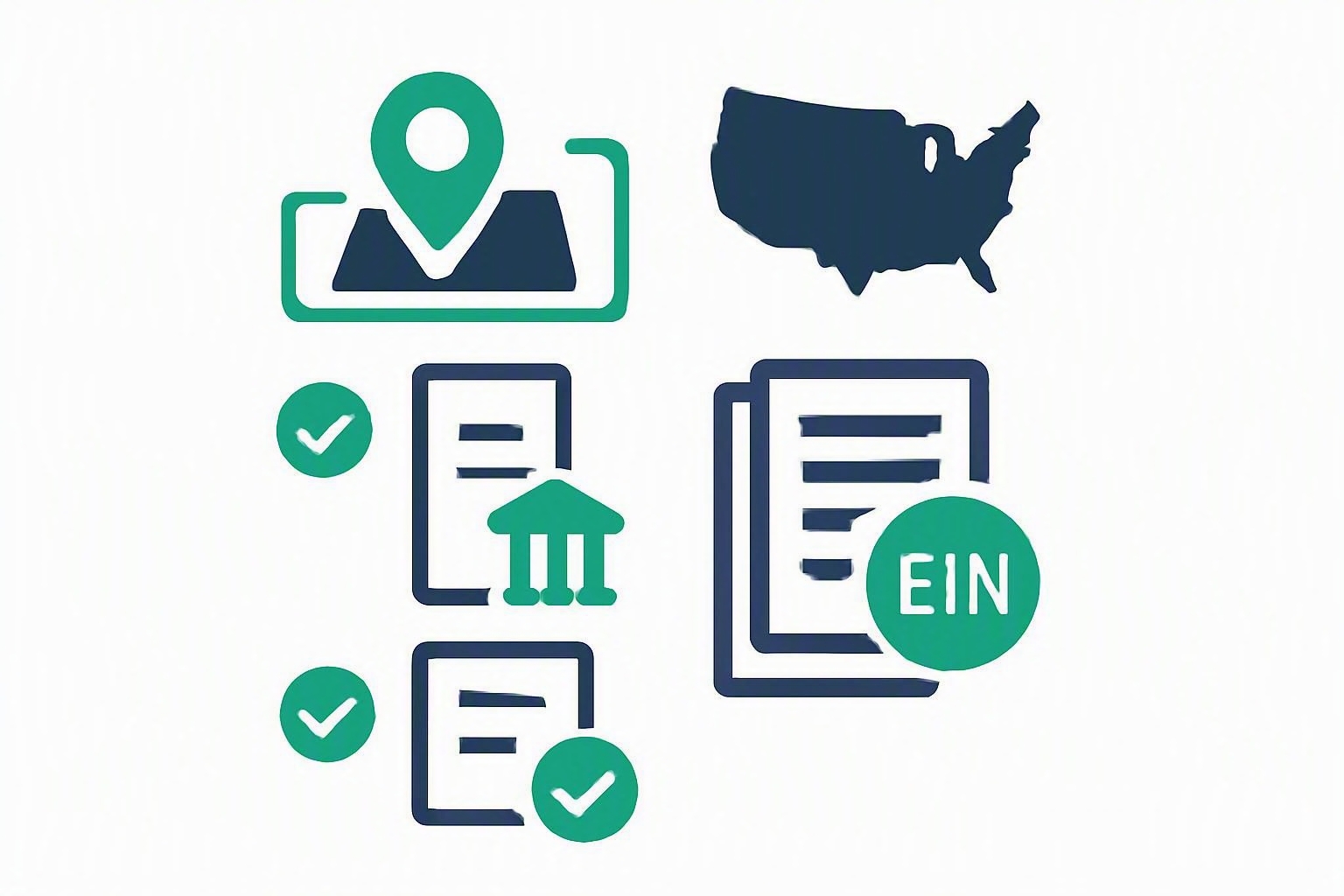
Your first step is to pick a state in which to form your LLC. Popular options among foreign owners include:
- Delaware: Known for its business-friendly laws.
- Wyoming: Minimal fees and privacy protection.
- Nevada: No state income tax and strong asset protection laws.
2. Select Your LLC Name
Your LLC name must be unique and not infringe on any existing business names in your chosen state. You can check for name availability on the state’s Secretary of State website.
3. Designate a Registered Agent
You need a registered agent who has a physical address in the state of registration. This person or business receives legal documents on behalf of your LLC. You can hire a registered agent service for this requirement.
4. File Articles of Organization
This is the formal document that establishes your LLC. You can file it online or by mail through your state’s Secretary of State office. Expect to pay a filing fee ranging from $50 to $500, depending on the state.
5. Obtain an EIN
An Employer Identification Number (EIN), which is necessary for tax purposes, can be obtained using IRS Form SS-4. You can apply for an EIN online, by fax, or by mail. If you're a non-resident, ensure you complete the form carefully to avoid delays.
6. Create an Operating Agreement
While not always required, an LLC Operating Agreement outlines the ownership and operating procedures of your LLC. This document is crucial for resolving disputes and protecting your interests.
7. Comply with Local Licenses and Permits
Depending on your business type and location, additional licenses or permits may be needed. Check local regulations to ensure compliance.
Tax Compliance for Foreign-Owned LLCs
1. Understand Your Tax Status
As a foreign-owned single-member LLC, it is classified as a disregarded entity for U.S. tax purposes. This means that the LLC’s income is reported on your personal tax return (Form 1040NR) if you generate any U.S. source income.
2. File IRS Forms Regularly
You need to comply with additional IRS filing obligations:
- Form 5472: Required when the LLC has a foreign owner. Due with your income tax return or by the due date for your Form 1120.
- Pro-Forma Form 1120: Needed as part of the filing for Form 5472. Though it may not reflect profits, it is a necessary formality.
Filing Deadlines:
- For entities with a calendar year-end, the due date is April 15. If you file for an extension (Form 7004), your deadline can be extended to October 15.
3. Penalties for Non-Compliance
Failure to file Form 5472 and the Pro-Forma Form 1120 can result in steep penalties, including:
- $25,000 penalty for each failure to file Form 5472.
- Potential additional penalties if forms are filed incorrectly.
IRS Compliance Checklist
To ensure that you remain compliant, use the following checklist:
| Requirement | Due Date |
|---|---|
| Articles of Organization | Varies by state |
| Obtain an EIN | Immediately after LLC formation |
| File Form 5472 | April 15 (with extension to October 15) |
| File Pro-Forma Form 1120 | April 15 (with extension to October 15) |
Conclusion
Establishing a foreign-owned LLC as a non-resident U.S. citizen from Germany can open doors to new opportunities while requiring due diligence for compliance. Ensure that you follow the steps outlined in this article to keep your LLC in good standing and avoid costly penalties.
Start your filing process today to ensure you meet all requirements!
Call to Action
With your LLC established, don’t delay filing your IRS forms when they are due.
Start Now

Frequently Asked Questions
What is the process to form an LLC in the U.S. as a foreign national?
To form an LLC, choose a state, select a name, appoint a registered agent, file the Articles of Organization, and obtain an EIN. Make sure you comply with state-specific requirements and local permits.
What are the tax implications for a foreign-owned LLC?
A foreign-owned LLC in the U.S. is treated as a disregarded entity, meaning its income is reported on your personal tax return if you have U.S. source income. You must file Form 5472 and possibly a pro-forma Form 1120 annually.
Are there penalties for not filing Form 5472?
Yes, failing to file Form 5472 can result in a penalty of $25,000 for each instance of non-filing, in addition to potential issues with your LLC's compliance.
How do I obtain an EIN for my foreign-owned LLC?
You can apply for an EIN by completing Form SS-4, which can be submitted online, via fax, or by mail. Ensure the form is filled out correctly to avoid delays.
Do I need an Operating Agreement for my LLC?
While not a legal requirement in all states, having an Operating Agreement is highly recommended. It outlines the structure and management of the LLC and can help resolve disputes.
Official guidance
The IRS and FinCEN pages covering the topics above. They are the authority; this article is not. Rules change — check the current version before you file.
- About Form 5472 — Internal Revenue Service
- About Form 1120 — Internal Revenue Service
- Single Member Limited Liability Companies — Internal Revenue Service
- Employer ID Numbers — Internal Revenue Service
- About Form SS-4, Application for Employer Identification Number — Internal Revenue Service
- About Form 7004, Application for Automatic Extension of Time to File — Internal Revenue Service